
Daylight Saving Time Ends: Night Driving Tips for Truckers
By iAgency
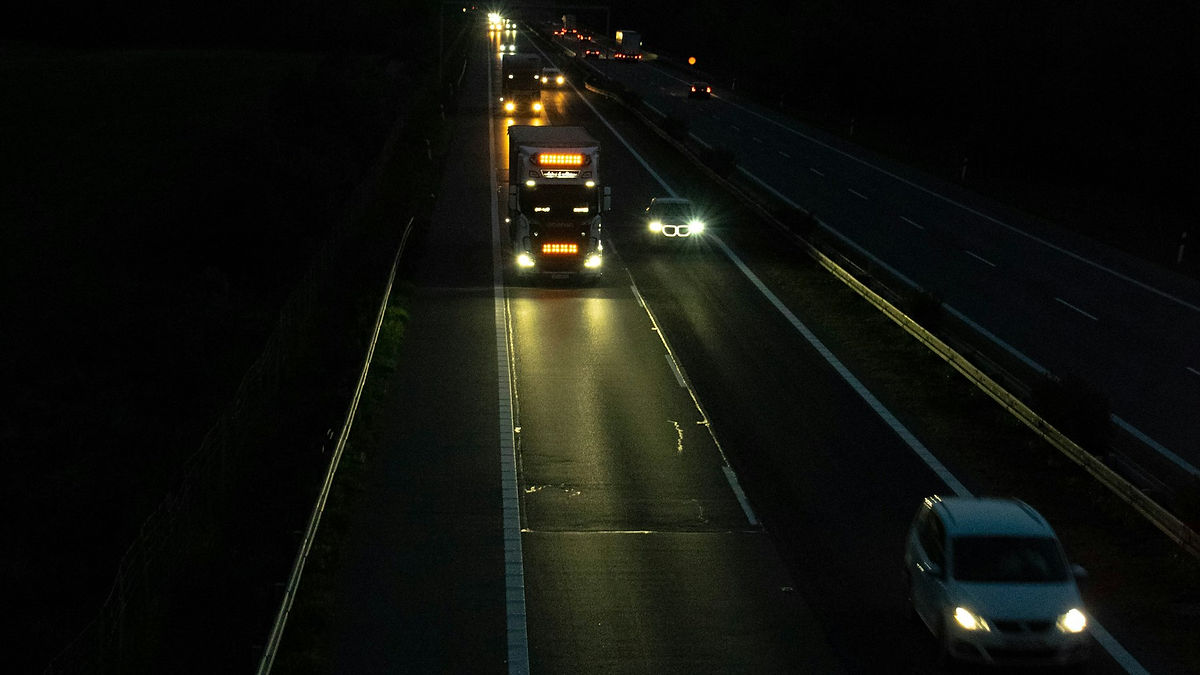
This Sunday, November 1, daylight saving time ends at 2 a.m. local time and clocks fall back one hour. For most people, it means an extra hour of sleep. For truck drivers, it also means darker evening commutes, a shift in body clocks and more miles driven at night. A few simple habits can keep your drivers sharp, your trucks safe and your record clean through the long nights ahead.
Key takeaways
Clocks fall back Nov. 1. Most of the country changes time at 2 a.m. local time. Arizona (except the Navajo Nation) and Hawaii do not change.
Fatigue is a real crash factor. FMCSA cites research finding that 13% of commercial drivers were considered fatigued at the time of their crash.
Time of day matters most. FMCSA says alertness depends more on the time of day than on time behind the wheel. The riskiest hours are midnight to 6 a.m. and 2 p.m. to 4 p.m.
Naps beat coffee. A 10 to 45 minute nap restores alertness better than caffeine, according to FMCSA.
What the time change means for truckers
When the clocks fall back, sunset comes about an hour earlier on the clock. Afternoon runs that ended in daylight now end in the dark. Drivers lose visibility during the evening rush, when roads are crowded and other drivers are tired after work.
The change can also throw off sleep for a few days. Your body clock does not reset overnight. A driver who feels fine on Monday may hit a strong low in the late afternoon or after midnight. That is exactly when NHTSA says drowsy-driving crashes happen most. FMCSA adds that crash risk is highest in the first hour of driving after waking up.
The time change also lands in deer season. If you run rural roads at dawn or dusk, review our deer collision safety guide.
Know the signs of drowsy driving
Drowsiness slows reaction time and dulls judgment. FMCSA notes that being awake for 18 hours is comparable to a 0.08% blood alcohol level. Watch for these warning signs:
Frequent yawning or heavy eyes
Blurred vision or trouble focusing
Drifting out of your lane or hitting a rumble strip
Missing an exit or not remembering the last few miles
If you notice any of these, pull over somewhere safe and rest. Loud music, an open window and extra coffee do not fix fatigue. FMCSA warns they can create a false sense of safety.
Night driving tips for the dark months
Plan sleep around the change. Aim for 7 to 8 hours of sleep. Keep a steady sleep schedule in the days before and after Nov. 1.
Nap the smart way. Nap for at least 10 minutes and up to 45. Wait 15 minutes after waking before you drive.
Clean and aim your lights. Clean headlights, taillights and reflective tape. Make sure headlights are aimed correctly.
Clean the windshield inside and out. Streaks and haze make glare from oncoming lights much worse.
Dim the dash and look away from glare. Turn down dashboard lights, and look away from bright oncoming headlights instead of into them.
Slow down and add space. You see less at night, so give yourself more room to stop.
Check your medicines. Cold and allergy medicines can cause drowsiness. Read the label before you drive.
Eat light and on time. Skipping meals or eating a heavy meal before bed can hurt sleep.
For fleet owners: build fatigue into dispatch
Fatigue is not only a driver problem. Dispatch plans can make it better or worse.
Schedule with the body clock in mind. Where you can, avoid planning the hardest driving between midnight and 6 a.m.
Respect rest requests. A driver who says they need a break should get one, with no pressure.
Use your data. ELD logs and camera alerts can show patterns like late-night lane drifting. Coach early, before a crash.
Put it in writing. A written fatigue policy shows drivers you take safety seriously, and it shows underwriters too.
Our risk control services team can help you set up fatigue and night-driving policies that fit your operation.
Make sure your coverage is ready
A night crash can damage your truck, your cargo and your safety record all at once. Before winter, confirm that your physical damage coverage lists the right value for each truck and trailer. Save our claim services page so drivers know what to do after a crash.
Want a quick review before the dark months? Start an online quote and we will walk through it with you.
Frequently asked questions
When does daylight saving time end in 2026?
It ends on Sunday, November 1, 2026, at 2 a.m. local time, when clocks fall back to 1 a.m. Arizona (except the Navajo Nation) and Hawaii do not observe daylight saving time.
Does the time change affect hours of service?
The federal hours-of-service limits stay the same. Check how your ELD records the hour change and follow your provider's guidance so your logs stay accurate.
What time of day is drowsy driving most dangerous?
FMCSA and NHTSA both point to midnight to 6 a.m. and the mid to late afternoon as the times when people are naturally least alert.
Is coffee enough to stay alert?
No. Caffeine can help for a short time, but it does not replace sleep. FMCSA says short naps restore energy better than coffee.
About iAgency
iAgency is a commercial trucking insurance agency for owner-operators, small fleets and the partners who support them, including dispatchers, factoring companies and accountants.
Call or text 469-501-1071, email coi@iagency.biz for certificates, or get an online quote.
Source: FMCSA, CMV Driving Tips - Driver Fatigue. Additional facts from NHTSA, Drowsy Driving.
Photo: Martin Galko on Unsplash.
This article is general information, not coverage or legal advice. Coverage depends on your policy terms.