
Deer Collisions: A Trucker's Fall Safety Guide
By iAgency
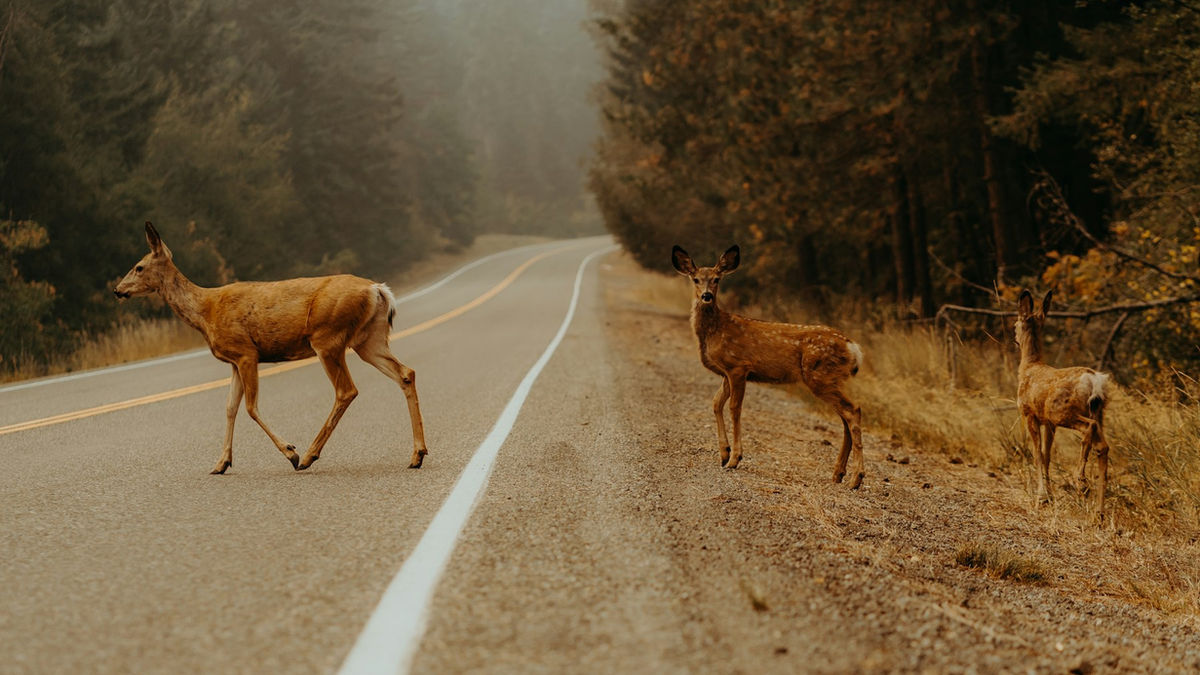
Fall is the busiest time of year for deer on the move, and the roads truckers run every night cut right through their range. The good news: animal collisions are trending down nationally, and a few simple habits can keep your truck, your load and your schedule safe through the end of the year. Here is what the newest data shows and how to prepare.
Key takeaways
Animal strikes are down, but still common. State Farm estimates more than 1.6 million animal-vehicle collision claims in the year ending June 30, 2026, down from 1.7 million the year before.
Fall is peak season. Deer activity rises from October through December, and they move most at dawn and dusk.
Brake, do not swerve. Both AAA and State Farm advise braking firmly and staying in your lane. Swerving can turn a deer strike into a rollover or a head-on crash.
Check your physical damage coverage now. A deer strike can mean a damaged front end, a missed load and days of downtime. Know your deductible before it happens.
What the new data shows
State Farm's latest animal collision study covers July 1, 2025 to June 30, 2026. The insurer estimates more than 1.6 million animal-vehicle collision claims across the U.S. and $1.9 billion in claim costs. The national odds of an animal collision improved from 1 in 139 to 1 in 145, so the trend is moving in the right direction.
Deer are still the animal hit most often. The highest-risk states are West Virginia (1 in 46), Montana (1 in 54), Wisconsin (1 in 62), Pennsylvania (1 in 64) and Michigan (1 in 68). Pennsylvania had the most claims, about 141,000. If your lanes run through the Appalachians, the upper Midwest or the northern Rockies, this season deserves extra attention.
There is real progress on the road side too. State Farm points to Colorado Highway 9, where wildlife crossings and fencing cut wildlife-vehicle collisions by about 90% during early monitoring. Projects like this are a big win for everyone who drives for a living.
Why fall is peak season for truckers
Deer are on the move. AAA says deer activity rises sharply from October to December, and fall brings the highest collision risk of any season.
Shorter days. Less daylight means more of your driving hours fall in the dawn and dusk windows when deer are most active.
Weight and stopping distance. A loaded tractor-trailer needs far more room to stop than a car. Rain, fog and wet leaves on the road add even more distance.
How to drive through deer country
Slow down in marked areas. Deer crossing signs are placed where strikes happen. Ease off and give yourself time to react.
Use high beams when you can. On empty rural roads at night, high beams help you spot eye-shine early. Dim them for oncoming traffic.
Expect more than one. Deer often travel in groups. If one crosses, others are likely close behind.
Brake firmly and stay in your lane. A controlled hit is almost always safer than a swerve, a jackknife or a trip into the ditch.
Buckle up every time. Your seatbelt is your best protection if the unexpected happens.
Fleet owners can share these tips in a short safety meeting before peak season. Our risk control services team can help you build simple driver reminders like this into your safety program.
What to do after a deer strike
Move to a safe spot if you can and turn on your hazard lights. Do not approach an injured animal. Call the police if the animal is blocking the road or creating a hazard. Take photos of the scene and the damage, and check for leaking fluids, damaged tires or broken lights before you drive again. Then report the claim to your agent or insurer quickly. Our claim services page explains what to have ready.
The insurance side: check your physical damage coverage
Physical damage coverage. Damage to your own truck from an animal strike is not covered by your liability policy. It falls under physical damage coverage, and whether it is paid under comprehensive or collision depends on how your policy is written. Review your deductible now, so a strike does not catch you short on cash.
Downtime and cargo. A damaged radiator or headlight can sideline a truck for days. If your load is damaged or delayed, cargo coverage terms matter too. Ask your agent what is and is not included.
Leased and financed trucks. Lenders and lease contracts usually require physical damage coverage. Make sure your limits match the current value of your equipment.
Not sure your coverage fits your routes? Start a free online quote or call us for a quick review before winter.
Frequently asked questions
When is deer collision season?
Deer activity rises from October through December, according to AAA, and deer are most active at dawn and dusk. Stay alert from dusk to dawn all fall.
Should I swerve to avoid a deer?
No. AAA and State Farm both advise braking firmly and staying in your lane. In a heavy truck, swerving can cause a rollover or a crash with another vehicle.
Does my truck insurance cover hitting a deer?
Damage to your own truck is handled under physical damage coverage, not liability. Coverage, deductibles and terms depend on your policy, so review them with your agent.
Which states have the highest deer collision risk?
State Farm's latest data lists West Virginia, Montana, Wisconsin, Pennsylvania and Michigan as the states with the highest likelihood of an animal collision.
About iAgency
iAgency is a commercial trucking insurance agency for owner-operators, small fleets and the partners who support them. Call or text 469-501-1071, email coi@iagency.biz for certificates, or get an online quote.
Source: State Farm, 20 Years of Animal Collision Data, One Goal: Safer Roads Ahead (September 15, 2026). Additional safety guidance from AAA, Deer, Darkness, and Danger (October 31, 2025).
Photo: Emmanuel Munoz on Unsplash.
This article is general information, not coverage or legal advice. Coverage depends on your policy terms.